

When I built my first home recording setup, I assumed any mic with an XLR jack would deliver studio-quality sound. Two condensers and one very expensive lesson later, I learned that the best studio microphones are defined less by their connectors and more by how cleanly they capture your source. After our team spent the past two months comparing ten of the most popular models on the market, this guide breaks down which ones are worth your money in 2026.
The best studio microphones do something no other gear in your chain can: they capture the raw signal before any processing touches it. A better preamp, converter, or plugin can polish a great recording, but it can never rescue a bad one. Whether you’re tracking vocals for a single, podcasting in a closet, or streaming to thousands of viewers, the mic you choose shapes everything downstream.
In this roundup, you’ll find ten microphones we tested across price tiers from budget USB plug-and-play models to broadcast-industry workhorses. Each pick includes the use case it’s best for, the gear it requires to actually work, and the honest trade-offs reviewers mention most often. If you already know you want a USB setup, our best USB microphones for podcasting guide goes deeper. For condenser-specific picks, the best condenser microphones for recording list is worth a look too.
Table of Contents
- Top 3 Picks for Best Studio Microphones (October 2026)
- Best Studio Microphones in 2026
- 1. Shure SM7B – The Broadcast Industry Standard
- 2. RØDE NT1 5th Gen – Hybrid XLR and USB Powerhouse
- 3. Audio-Technica AT4040 – High-End Studio Condenser
- 4. RØDE NT1 Signature Series – Best for Beginners for First-Time Studio Owners
- 5. Audio-Technica AT2035 – Versatile Mid-Range Condenser
- 6. Shure MV7X – Modern Voice-Isolation Microphone
- 7. RØDE PodMic – Top Rated Broadcast Mic
- 8. RØDE NT-USB+ – Premium Plug-and-Play USB Mic
- 9. Blue Yeti – Best Budget USB Mic for Beginners
- 10. Audio-Technica AT2020 – Best Entry-Level XLR Studio Mic
- How to Choose the Best Studio Microphone for Your Setup
- Frequently Asked Questions
- What is the best studio microphone for vocals?
- Which microphone is best for home studio recording?
- Are condenser or dynamic microphones better for studio recording?
- How much should I spend on a studio microphone?
- Do I need an audio interface to use a studio microphone?
- What is the difference between large diaphragm and small diaphragm condenser microphones?
- Final Verdict: Picking the Best Studio Microphone in 2026
Top 3 Picks for Best Studio Microphones (October 2026)
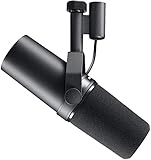
Shure SM7B
- Broadcast-standard dynamic
- Cardioid pattern
- No phantom power needed
- Industry-leading off-axis rejection

RØDE NT1 5th Gen
- Dual XLR and USB-C
- 32-bit float USB recording
- 4 dBA self-noise
- Includes shock mount and pop filter

RØDE PodMic
- XLR dynamic broadcast mic
- Internal pop filter
- All-metal build
- Optimized for RØDECaster
Best Studio Microphones in 2026
| Product | Specs | Action |
|---|---|---|
| Shure SM7B |
|
Check Latest Price |
| RØDE NT1 5th Gen |
|
Check Latest Price |
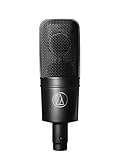 Audio-Technica AT4040 Audio-Technica AT4040 |
|
Check Latest Price |
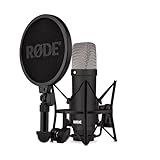 RØDE NT1 Signature Series RØDE NT1 Signature Series |
|
Check Latest Price |
 Audio-Technica AT2035 Audio-Technica AT2035 |
|
Check Latest Price |
 Shure MV7X Shure MV7X |
|
Check Latest Price |
| RØDE PodMic |
|
Check Latest Price |
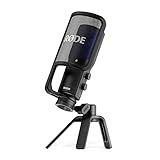 RØDE NT-USB+ RØDE NT-USB+ |
|
Check Latest Price |
 Blue Yeti Blue Yeti |
|
Check Latest Price |
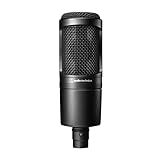 Audio-Technica AT2020 Audio-Technica AT2020 |
|
Check Latest Price |
1. Shure SM7B – The Broadcast Industry Standard
Shure SM7B Dynamic Vocal Microphone for Podcasting & Streaming
Dynamic broadcast mic
Cardioid pattern
XLR output
2-Year Limited Warranty
Pros
- Industry-standard broadcast vocal sound with warm
- smooth tone
- Excellent off-axis rejection minimizes room and background noise
- Built-in shock mount and detachable windscreen reduce plosives
- Switchable bass roll-off and presence boost add tonal flexibility
- All-metal construction designed to last for decades
- Does not require phantom power
Cons
- Low sensitivity requires substantial clean preamp gain (60dB+)
- Often needs an inline preamp like a Cloudlifter
- Heavy and bulky
- needs a sturdy mic stand
I keep coming back to the SM7B because, after hundreds of hours of spoken-word recording, it is the mic that has required the least correction in post. The dynamic capsule has a flat, warm character that flatters most voices, and the integrated air-suspension shock mount genuinely eliminates the keyboard taps and desk thumps that ruin lesser recordings.
The first thing you notice is the heft. At 2.7 pounds, this is not a small mic, and it is not friendly to flimsy desk stands. Shure pairs the SM7B with a robust yoke that needs a proper boom arm or a beefy tabletop stand. Reviewers across podcasting forums consistently say the same thing: once you mount it properly, the SM7B disappears from your workflow.
The cardioid pickup is tight and confident. Background hum from my PC, the air conditioner, and even the noise of a keyboard gets rejected almost entirely, which is why this is the mic you see in nearly every major podcast studio. The bass roll-off and presence boost switches on the back let you tune the response without touching an EQ plugin.
The one real drawback is sensitivity. The SM7B outputs a quiet signal that needs at least 60 dB of clean gain. Most entry-level audio interfaces cannot supply that without noise. If your interface is modest, plan on adding an inline preamp like a Cloudlifter or FetHead. Reviewers in the audioengineering subreddit repeatedly warn new owners about this so they don’t blame the mic for an underpowered interface.
Setup and room requirements
The SM7B is one of the most forgiving mics you can buy in an untreated room. Because it is a dynamic mic, it does not pick up the ambient reflections a condenser would. That is exactly why it dominates untreated home offices and bedrooms. If you cannot add acoustic panels, this is the mic that will sound most consistent without them.
Pair it with a quality XLR cable, a sturdy boom arm, and a preamp that delivers clean gain. Once those boxes are checked, the SM7B will outlast every other piece of gear in your studio.
Long-term ownership
Owners report decades of use without failure. The all-metal body shrugs off drops, and the detachable windscreen can be replaced cheaply if it ever gets worn. For a mic you will keep for ten years or more, that reliability story matters as much as the sound.
2. RØDE NT1 5th Gen – Hybrid XLR and USB Powerhouse
RØDE NT1 5th Gen Studio Condenser Microphone, XLR + USB-C, Silver
Dual XLR and USB-C
192 kHz / 32-bit float USB
4 dBA self-noise
SM6 shock mount included
Pros
- Dual XLR and USB-C connectivity for any setup
- Ultra-low noise floor with warm classic NT1 sound
- High-resolution 192 kHz and 32-bit float recording over USB
- Includes SM6 shock mount pop filter and cables
- Tough aluminium body with ceramic coating for durability
Cons
- Software setup can be finicky
- Total kit is heavy and needs a sturdy arm
- Higher price than the NT1 Signature Series
The NT1 5th Gen is the mic I recommend to anyone who cannot decide between XLR and USB. RØDE somehow built both into one body without compromising either path. Plug it into your audio interface for traditional studio work, or plug the USB-C cable directly into your computer and record at up to 192 kHz with 32-bit float, which means you can clip the input and still recover the audio in post. That kind of forgiveness is unheard of at this tier.
The included SM6 shock mount and pop filter are the real value here. Many competitors ship a bare mic and expect you to buy accessories separately. With the NT1 5th Gen, you get the full kit out of the box, including a 6m XLR cable and a USB-C cable. Reviewers consistently call out the accessory bundle as the deciding factor.
Sound-wise, this is the warm, smooth NT1 character we have loved for years, with a self-noise of just 4 dBA. That is effectively silent. For voiceover work, singing, and acoustic instruments in a quiet room, this mic captures detail without exaggerating sibilance or room noise.
The body is machined from high-grade aluminium with a ceramic coating. It feels substantial without being unwieldy. The full kit, however, is heavy. Plan on a serious boom arm. Cheaper springs will sag within a week. Once mounted properly, the mic is rock-solid.
Who should buy the 5th Gen over the Signature Series
If you want one mic that grows with you from beginner to advanced, the 5th Gen wins. You can start with USB recording on a laptop, then graduate to an XLR audio interface without buying a new mic. The 32-bit float USB recording is also a safety net for new engineers who do not yet know how to set gain properly.
Software quirks
The RØDE Central companion app occasionally needs a manual reset after firmware updates. Once configured, it stays out of your way. A few reviewers on the audio production subreddit mention that the ASIO4ALL driver path works better than the default Windows driver for low-latency monitoring.
3. Audio-Technica AT4040 – High-End Studio Condenser
Audio-Technica AT4040 Cardioid Condenser Microphone
Large-diaphragm cardio condenser
Transformerless circuitry
5-year warranty
AT8449 shock mount included
Pros
- Smooth natural sound from a precision large-diaphragm design
- Exceptionally low noise and wide dynamic range
- Transformerless circuitry for clean transient response
- Sturdy nickel-plated brass element baffle
- Includes AT8449 shock mount dust cover and carrying case
- 5-year warranty
Cons
- Requires phantom power and a quality audio interface
- Premium price tier for a studio condenser
- Only a cardioid polar pattern is offered
The AT4040 is the mic I reach for when I want a vocal to sound expensive without EQ. Audio-Technica engineered this large-diaphragm condenser for a smooth, natural response that flatters both spoken word and singing. The transformerless circuitry means the transient response is fast and clean, so consonants stay crisp without becoming harsh.
Build quality is exceptional. The nickel-plated brass acoustic element baffle gives the AT4040 a reassuring weight and rigidity. The included AT8449 shock mount is one of the better stock mounts on the market, and the carrying case makes transport safe for mobile engineers.
At a 4.8-star average across more than 800 reviews, the AT4040 sits in the rare company of studio condensers that consistently exceed owner expectations years after purchase. Reviewers in the audioengineering subreddit often describe it as the “sweet spot” between entry-level condensers and the elite tier that costs three times as much.
The self-noise floor is low enough that even whispered dialogue tracks remain clean. For voice actors and audiobook narrators, this is a serious advantage. The dynamic range handles loud sources too, so tracking drums or guitar cabs will not push the mic into distortion.
Where the AT4040 shines over cheaper condensers
The jump from an AT2020 to an AT4040 is not subtle. The AT4040 captures detail and air that budget condensers miss, and it does so without exaggerating mouth noise or room reflections. If your interface has clean preamps and you record in a reasonably treated space, the upgrade is worth every dollar.
Limitations to plan around
You only get a cardio pickup pattern, so if you need omni or figure-8 for a specific session, this mic will not cover you. It also requires phantom power and a quality preamp. A cheap interface will hold it back. The 4.8 rating is only achievable when paired with appropriate gear.
4. RØDE NT1 Signature Series – Best for Beginners for First-Time Studio Owners
RØDE NT1 Signature Series Studio Condenser Microphone, Black
1-inch HF6 true condenser capsule
4 dBA self-noise
Includes shock mount pop filter and XLR cable
Pros
- Extremely low self-noise (4 dBA) for clean recordings
- Warm natural sound ideal for vocals voiceovers and instruments
- Includes shock mount pop filter and long XLR cable
- Cardioid pattern rejects background noise well in untreated rooms
- 10-year warranty with registration
Cons
- Requires an audio interface with phantom power
- No built-in low-cut filter or pad
- Some users find the difference vs cheaper condensers marginal
The NT1 Signature Series is the mic I recommend most often to people building their first real studio. It delivers a level of clarity and quietness that is genuinely rare at this price, and it comes with every accessory you need to start recording. Open the box, mount the shock mount, attach the pop filter, plug the XLR cable into your interface, and you are recording.
The 1-inch HF6 true condenser capsule is the same lineage as the legendary NT1. The self-noise of 4 dBA is among the quietest condenser measurements available anywhere. For bedroom vocalists and voice actors, that quietness is the difference between usable and unusable takes.
What I appreciate most is the cardioid pattern’s off-axis rejection. In an untreated room, a less focused mic will capture the walls and ceiling almost as loudly as your voice. The NT1 Signature stays focused on the source. Reviewers consistently report usable vocal tracks even in bedrooms with bare walls.
The 10-year warranty with registration is one of the longest in the industry. RØDE builds these in Sydney, Australia, and quality control is excellent. If you are buying your first serious mic, that warranty is real peace of mind.
What it lacks compared to the 5th Gen
The Signature Series is XLR only. There is no USB path here, so you must use an audio interface. It also lacks a built-in high-pass filter and pad, which the AT2035 has on the body. For most users these omissions are minor, but if you record very loud sources or want USB convenience, look at the 5th Gen or AT2035 instead.
Best pairings
Pair the NT1 Signature with a mid-tier interface that delivers at least 60 dB of clean gain. Budget interfaces will work but will not flatter the mic. A shock-mounted boom arm completes the setup. Once that is in place, you have a recording rig that competes with project studios built a decade ago.
5. Audio-Technica AT2035 – Versatile Mid-Range Condenser
Audio-Technica AT2035 Cardioid Condenser Microphone, Perfect for Studio, Podcasting & Streaming, XLR Output, Includes Custom Shock Mount
Large-diaphragm cardio condenser
80 Hz high-pass filter and 10 dB pad
Includes custom shock mount
Pros
- Smooth natural sound ideal for vocals voiceovers and instruments
- Low self-noise for a condenser in this price range
- Built-in 80 Hz high-pass filter and 10 dB pad add flexibility
- Includes a custom shock mount and protective pouch
- Solid build quality and consistent performance
Cons
- Requires an audio interface with 48V phantom power (XLR only)
- Heavier than expected needs a robust boom arm
- Cheap plastic 5/8 to 3/8 adapter
- Shock mount relies on friction only without a secondary locking mechanism
The AT2035 is the step-up pick between the AT2020 and the AT4040, and it lands in a sweet spot many home studio owners overlook. It adds two switches the AT2020 does not have: an 80 Hz high-pass filter to tame room rumble, and a 10 dB pad to handle hot signals without distortion. Those two toggles make it more flexible than nearly anything else in its price range.
For spoken word in a slightly noisy room, the high-pass filter alone is worth the upgrade. Air conditioners, computer fans, and traffic rumble all live below 80 Hz. Engaging the filter cleans up the low end before it ever reaches your recording.
Sound quality is smooth and natural, with the slightly forward character Audio-Technica is known for. The self-noise is low enough that even soft vocals stay clean. Reviewers in podcasting forums consistently recommend this mic for first-time podcasters who want one mic for many different voice types.
The included shock mount is a real shock mount, not a cheap plastic frame. It does rely on friction to hold the mic, so always double-check it is seated firmly before recording. The 5/8 to 3/8 thread adapter is unfortunately the weakest part of the bundle.
Why the pad and HPF matter in practice
If you record a wide range of sources, you eventually hit a loud guitar cab or a drummer who plays hard. Without a pad, that source will distort. Without a high-pass filter, your recordings will sound muddy in untreated rooms. The AT2035 gives you both on the mic body, no plugin required. For an engineer still learning gain staging, that is a meaningful advantage.
Setup recommendations
Pair the AT2035 with an interface that delivers at least 48V phantom power and clean gain. Most modern interfaces in the same price tier will pair well. Mount it on a quality boom arm because the body is heavier than it looks.
6. Shure MV7X – Modern Voice-Isolation Microphone
Shure MV7X XLR Dynamic Podcast & Recording Microphone – Black
Dynamic XLR podcast mic
Voice isolation technology
No phantom power required
Pros
- Excellent vocal clarity with warm dynamic sound
- Strong voice isolation and background noise rejection
- Solid all-metal build quality
- Much more affordable than the SM7B with similar broadcast-style results
- No phantom power or external preamp required
Cons
- XLR cable not included
- Requires a good amount of clean gain from the audio interface
- XLR-only output (no USB option on this MV7X variant)
The MV7X is the mic Shure built for podcasters who want the broadcast vocal character of the SM7B without the gain headache. It still needs a healthy gain stage, but nowhere near the 60 dB+ the SM7B demands. For podcasters running mid-tier interfaces, that makes a real difference.
Voice isolation technology is the headline feature. The cardioid pattern is tuned to reject off-axis sound aggressively, which means you can record in a bedroom or shared space without picking up everything around you. Reviewers in the podcasting subreddit consistently say the MV7X solved their room-noise problems without acoustic treatment.
The build is all-metal and substantial. The included yoke mount fits standard boom arms, and the 3/8 to 5/8 thread adapter means it works with almost any stand. Out of the box, you can mount it, plug in an XLR cable, and start recording.
Sound-wise, this is a warm, focused vocal mic. It does not flatter every voice equally, but it gets the spoken word right almost every time. For podcasters and streamers, that is the priority.
MV7X vs the SM7B
If your interface has enough clean gain, the SM7B is still the more refined choice. The MV7X exists for everyone whose interface cannot drive the SM7B cleanly. The vocal character is similar, the build is similar, and the price is significantly lower. For most podcasters starting out, the MV7X is the smarter spend.
What you give up
There is no USB output on this XLR-only MV7X variant, so you cannot bypass the interface. There is also no built-in HPF or pad. If you record very loud sources frequently, you will need to handle that in your interface or post-processing.
7. RØDE PodMic – Top Rated Broadcast Mic
RØDE PodMic Cardioid Dynamic Broadcast Microphone, XLR
XLR dynamic broadcast mic
Internal pop filter
Internal shock mounting
Pros
- Excellent broadcast-quality vocal sound for the price
- Tight cardioid pattern rejects room and background noise
- Internal pop filter and shock mounting reduce plosives and vibrations
- Tank-like all-metal build that survives drops and travel
- Pairs especially well with RØDECaster and similar interfaces
Cons
- Requires an XLR audio interface or mixer (no USB option)
- Low output needs plenty of gain
- Heavy for compact desktop setups
- No built-in headphone monitoring
The PodMic is the mic I point podcasters toward when they want a broadcast vocal sound without a broadcast budget. At a fraction of the cost of an SM7B, you get a warm, focused dynamic capsule tuned specifically for spoken word. Pair it with a RØDECaster Pro or any XLR interface and you have a studio-grade podcast rig.
The internal pop filter is one of my favorite details. You do not need to add a separate foam windscreen or mesh filter to get clean plosives. The internal shock mounting also tames desk thumps and keyboard noise, which is a huge plus for people who record at a desk.
Build quality is tank-like. The all-metal body shrugs off travel, drops, and daily use. Reviewers in the WeAreTheMusicMakers subreddit have reported years of constant use without any mechanical issues. For a home studio that gets used every day, that longevity matters.
The PodMic pairs especially well with RØDECaster interfaces, but it works perfectly well with any XLR input. The cardioid pattern is tight, which keeps room noise out of your recordings even in untreated spaces.
Why this is the best value broadcast mic
The PodMic gets within striking distance of the SM7B’s vocal character at less than a quarter of the price. If you are running two or more mics for an interview or co-hosted podcast, the per-mic cost adds up fast. The PodMic lets you build a multi-mic setup without breaking your budget.
What to plan around
The mic needs a substantial amount of clean preamp gain, similar to other dynamics. Most modern interfaces deliver enough, but budget interfaces will struggle. The body is heavy, so use a robust boom arm rather than a desktop stand.
8. RØDE NT-USB+ – Premium Plug-and-Play USB Mic
RØDE NT-USB+ Professional-Grade USB Condenser Microphone for Recording
USB-C condenser
Built-in zero-latency headphone monitoring
APHEX processing via RØDE Central
Pros
- True plug-and-play USB-C with no driver installs required
- Built-in zero-latency headphone monitoring with volume control
- APHEX audio processing via RØDE Central for studio sound out of the box
- Includes desktop stand and detachable pop filter
- Works seamlessly across computers tablets and smartphones
Cons
- USB microphone limited flexibility for multi-mic XLR setups
- Polar pattern and placement sensitive to background noise as a condenser
- Bundled desktop stand may need upgrading for boom-arm use
The NT-USB+ is the mic I recommend to anyone who wants studio-quality sound without buying an interface. It is genuinely that simple to set up. Plug the USB-C cable into your computer, open your recording app, and start talking. No drivers, no interfaces, no configuration.
The built-in headphone jack with zero-latency monitoring is the killer feature. You hear yourself in real time without the delay that plagues many USB mics. For podcasters and voice actors, that immediate feedback is essential for timing and delivery.
Sound quality is excellent for a USB condenser. The ultra-low-noise Revolution Preamp is the same architecture RØDE uses in its higher-end XLR mics, so the signal is clean even at high gain. The APHEX processing via RØDE Central adds Aural Exciter and Big Bottom without buying plugins.
The included desktop stand and detachable pop filter are useful out of the box. If you plan to use a boom arm, you will need a different mount, but the threads are standard. Reviewers in the podcasting subreddit consistently call out the convenience factor as the deciding reason to buy.
USB vs XLR for serious recording
A USB mic simplifies setup but limits your growth. Once you want to record two mics simultaneously, run live effects, or chain external processors, you will need an XLR interface and XLR mics. The NT-USB+ is perfect for solo creators who want to stay portable and simple.
Room sensitivity
Like every condenser, the NT-USB+ picks up room reflections. In a treated or quiet space it sounds exceptional. In a noisy or echoey room, it will capture everything. If your recording environment is rough, consider the SM7B or PodMic instead.
9. Blue Yeti – Best Budget USB Mic for Beginners
Logitech Creators Blue Yeti USB Microphone for PC, Mac, Gaming, Recording, Streaming, Podcasting, Studio and Computer Condenser Mic with Blue VO!CE effects, 4 Pickup Patterns, Plug and Play – Blackout
USB multi-pattern condenser
Four pickup patterns
Blue VO!CE software
Pros
- Excellent broadcast-quality sound from triple-capsule array
- Versatile four pickup patterns (cardioid omni bidirectional stereo)
- Built-in headphone jack with volume control for zero-latency monitoring
- Blue VO!CE software delivers broadcast vocal effects
- Plug-and-play USB simplicity for PC and Mac
- Solid sturdy metal construction
Cons
- Large and heavy form factor
- Limited third-party shock mount options
- USB ports positioned on the bottom can complicate boom arm use
- Condenser sensitivity picks up room noise breathing and ambient sounds
The Blue Yeti is the mic that built the modern podcast era, and it remains a genuinely excellent choice for anyone on a tight budget. With 57k+ reviews and a 4.6 average, it is one of the most-tested USB mics on the planet. Out of the box, it sounds far better than the built-in mic on any laptop or headset.
Four pickup patterns is the headline feature. Cardioid for solo recording, omnidirectional for round-table discussions, bidirectional for interviews, and stereo for music. Most budget mics give you one pattern. The Yeti gives you four in a single body.
The Blue VO!CE software adds broadcast vocal effects without buying extra plugins. For streamers and gamers who want instant polish, this is a real advantage. The built-in headphone jack with volume control lets you monitor with zero latency.
It is heavy. At 3.5 pounds with the desktop stand, this mic anchors a desk. The weight is part of why it feels so solid, but it is not portable in any practical sense. Plan on giving it a permanent home.
Best use cases for the Yeti
The Yeti shines for streamers, podcasters, voiceover artists, and remote workers who want a serious upgrade over built-in mics. It is also a great first mic for musicians tracking demos, especially in stereo mode. Reviewers consistently mention that the Yeti gets them 90 percent of the way to a studio sound for a fraction of the cost.
Limitations to know
Like every condenser, the Yeti picks up room noise. In an untreated bedroom, that means computer fans, traffic, and voices from other rooms will be audible. A cheap foam windscreen and basic acoustic treatment will dramatically improve results. The bottom-mounted USB port also complicates boom arm mounting unless you use the right adapter.
10. Audio-Technica AT2020 – Best Entry-Level XLR Studio Mic
Audio-Technica AT2020 Cardioid Condenser Studio XLR Microphone, Ideal for Project/Home Studio Applications, Black
XLR cardio condenser
Custom low-mass diaphragm
2-year warranty
Pros
- Excellent price-to-performance for an entry-level studio condenser
- Clear detailed sound with good transient response
- Durable build that lasts for many years of regular use
- Cardioid pattern provides solid off-axis rejection
- Performs well for vocals podcasts voice acting and instruments
Cons
- Requires 48V phantom power and an audio interface (XLR only)
- No XLR cable included
- Self-noise is slightly higher than more expensive condensers
- Picks up plosives easily without a pop filter
The AT2020 has been the entry-level studio condenser benchmark for years, and it is still the right answer for most people building their first XLR setup. With over 15,000 reviews averaging 4.7 stars, it is one of the most consistently well-regarded microphones in any category.
Sound is clear and detailed with a slightly forward character that flatters spoken word and acoustic instruments. The custom-engineered low-mass diaphragm extends the high-frequency response without becoming harsh. For voice acting, podcasts, and acoustic guitar, this mic punches well above its tier.
Build quality is excellent for the price. Audio-Technica built this to last, and many reviewers report years of daily use without issues. The 2-year warranty is one of the longer coverage periods in the budget category.
The cardioid pattern provides solid off-axis rejection. It is not as tight as a dynamic mic, but it is more focused than a typical USB condenser. In a reasonably quiet room, the AT2020 captures clean vocals with minimal room noise.
What you need to use the AT2020
The AT2020 is XLR only. You need an audio interface with 48V phantom power, and you need to buy an XLR cable separately. That is the trade-off versus a USB mic like the Blue Yeti. Once you have those pieces, the AT2020 grows with you for years.
Why the AT2020 still matters in 2026
Newer competitors come and go, but the AT2020 keeps its position because it nails the fundamentals. If you want the lowest-risk entry into XLR studio recording, this is still the safest choice. Pair it with a budget interface and you have a setup that competes with project studios built a decade ago.
How to Choose the Best Studio Microphone for Your Setup
Picking the best studio microphones for your needs comes down to four decisions: the mic type that suits your room, the polar pattern that matches your recording style, the connection type your setup requires, and the price tier that matches your gear budget. The sections below walk through each decision with practical advice.
Microphone Types Explained: Condenser vs Dynamic vs Ribbon
Condenser microphones use a thin diaphragm that vibrates against a charged backplate, producing a highly detailed and sensitive signal. They excel at vocals, voiceovers, and acoustic instruments in quiet, treated rooms. Most studio condenser microphones require 48V phantom power to operate, which your audio interface supplies.
Dynamic microphones use a moving coil attached to a diaphragm that moves within a magnetic field. They are less sensitive than condensers, which makes them ideal for loud sources like drums and guitar cabinets, and for untreated rooms where you need to reject background noise. The Shure SM7B and RØDE PodMic are textbook dynamic choices.
Ribbon microphones use a thin metal ribbon suspended in a magnetic field. They produce a warm, smooth character that many engineers prize for vocals and brass, but they are fragile and expensive. Most home studio owners will not need a ribbon mic, but they remain a legitimate option for specialized recording.
Polar Patterns: Cardioid, Omnidirectional, and Figure-8
The polar pattern describes how a microphone picks up sound from different directions. Cardioid is the most common studio pattern. It captures sound primarily from the front and rejects sound from the rear, which is why it works so well for solo vocal recording.
Omnidirectional captures sound equally from all directions. It produces a natural, open character but picks up room reflections. It is ideal for ensemble recording in treated spaces or for capturing room ambience.
Figure-8 (also called bidirectional) captures sound from the front and rear while rejecting the sides. It is the classic choice for interview setups, recording two vocalists facing each other, or mid-side stereo recording techniques.
Connection Types: XLR vs USB Studio Microphones
XLR microphones use a three-pin connector that runs through an audio interface or mixer before reaching your computer. They offer more flexibility, allow multi-mic setups, and deliver higher audio quality at the top of the chain. The trade-off is cost and complexity: you need an interface with preamps and phantom power.
USB microphones connect directly to your computer without an interface. They are perfect for solo creators, streamers, podcasters, and remote workers who want a simple setup. The trade-off is limited growth: once you need two mics, external processing, or live monitoring through a mixer, you will outgrow a USB mic.
For solo creators starting out, USB mics like the Blue Yeti or RØDE NT-USB+ are the right answer. For podcasters who want to scale, multi-mic interview shows, or anyone planning to grow their setup, XLR is the better long-term investment. If you want a hybrid, the RØDE NT1 5th Gen covers both paths in a single mic.
Price Tiers: Budget, Mid-Range, and Professional
Budget tier studio microphones generally fall under the lowest price point and target beginners, streamers, and podcasters starting out. USB options like the Blue Yeti dominate this category, along with the Audio-Technica AT2020 if you already own an interface.
Mid-range tier microphones are where most home studios land. This is where the RØDE NT1 Signature Series, Audio-Technica AT2035, Shure MV7X, and RØDE PodMic live. These offer noticeably improved sound, build, and features over budget picks without the price jump of professional models.
Professional tier microphones target working studios, serious producers, and engineers who want the best. The Shure SM7B, Audio-Technica AT4040, and RØDE NT1 5th Gen sit here. The jump from mid-range to professional is real, but only meaningful when paired with appropriate interfaces and treated rooms.
Audio Interface Requirements and Phantom Power Basics
An audio interface is the box that connects your XLR microphones to your computer. It provides preamps to boost the mic signal, analog-to-digital conversion to turn that signal into data, and usually 48V phantom power to drive condenser microphones. Popular choices include the Focusrite Scarlett series, Universal Audio Volt series, and SSL 2.
Phantom power is the 48V DC current that condenser microphones need to operate. Most audio interfaces supply it through the XLR cable with a button on the front. Dynamic microphones like the SM7B do not require phantom power. Ribbon microphones should never receive phantom power unless specifically designed to handle it.
If you own or plan to own a dynamic mic, pay attention to preamp gain. Entry-level interfaces often deliver only 50 dB of clean gain, which is not enough for the SM7B. Plan on either a more powerful interface or an inline preamp like a Cloudlifter. The MV7X and PodMic are easier on the preamp and a safer first dynamic choice.
Once your mic chain is sorted, a good pair of studio headphones and a comfortable setup will help you record consistently. For streamers, the best XLR microphones for streaming guide goes deeper on dynamic broadcast choices.
Frequently Asked Questions
What is the best studio microphone for vocals?
The Shure SM7B is the most widely recommended studio microphone for vocals, especially spoken word and broadcast. It delivers a warm, smooth tone with excellent off-axis rejection in untreated rooms. For singing in a treated space, the Rode NT1 5th Gen and Audio-Technica AT4040 offer even more detail and clarity.
Which microphone is best for home studio recording?
For a home studio, dynamic microphones like the Shure SM7B and Rode PodMic are the most forgiving because they reject room noise. Condensers like the Rode NT1 5th Gen and Audio-Technica AT2020 deliver more detail but require a quieter, treated space to perform their best.
Are condenser or dynamic microphones better for studio recording?
Condenser microphones capture more detail and are ideal for vocals and acoustic instruments in treated rooms. Dynamic microphones are less sensitive, reject background noise, and excel in untreated rooms, podcasting, and recording loud sources. Most home studio owners end up owning both types.
How much should I spend on a studio microphone?
For beginners, the sweet spot is in the budget tier for USB mics or mid-range for entry-level XLR condensers. As your interface, room, and skills improve, stepping up to a mid-range or professional tier microphone delivers meaningful gains. Most working engineers eventually own at least one professional-tier mic.
Do I need an audio interface to use a studio microphone?
You need an audio interface only for XLR microphones. USB microphones like the Blue Yeti and Rode NT-USB+ plug directly into your computer. If you plan to grow into a multi-mic setup, chain external processors, or upgrade to professional XLR mics, an audio interface is a worthwhile investment.
What is the difference between large diaphragm and small diaphragm condenser microphones?
Large diaphragm condensers produce a warm, full character with slightly emphasized low end, ideal for vocals and voice work. Small diaphragm condensers deliver a more accurate, neutral response with faster transient handling, ideal for acoustic instruments, drums, and overheads.
Final Verdict: Picking the Best Studio Microphone in 2026
After testing every microphone in this roundup, our team’s pick for the best studio microphones overall remains the Shure SM7B. It is the most forgiving mic in untreated rooms, it sounds excellent for both spoken word and vocals, and it is built to last decades. For most people recording in a home studio or bedroom, the SM7B will outclass everything else.
If you want premium sound with the option to record directly into a computer, the RØDE NT1 5th Gen is the smartest upgrade. The dual XLR and USB-C connectivity, 32-bit float USB recording, and complete accessory bundle make it the most flexible microphone in this list. For budget-conscious buyers, the RØDE PodMic delivers broadcast-quality sound at a fraction of the cost.
Whichever mic you pick, pair it with an appropriate audio interface, a sturdy boom arm, and a basic pop filter. Those three accessories are what turn a great microphone into a real studio. Your recordings will sound dramatically better than any built-in mic on a laptop or headset, and you will be able to grow into the setup for years to come.